
Well since you asked, I will tell you. All of the affiliated United Association Locals from across New England, that’s who. This is the only entity that supports concentrated training for the future pipe trades workers across the region without any government handouts.

Local 51, East Providence, RI 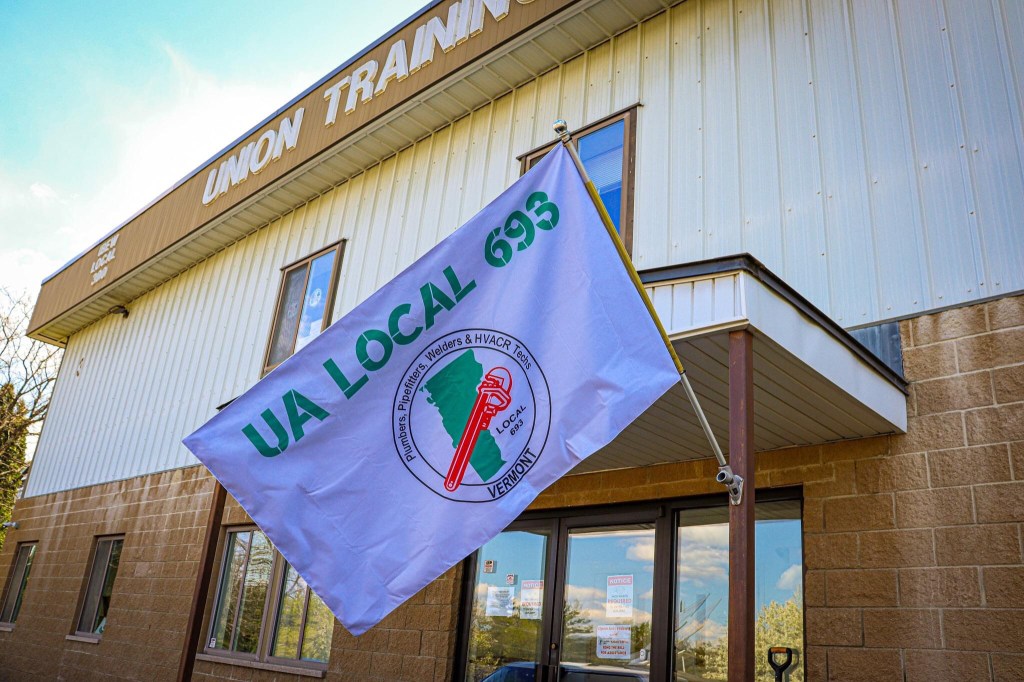
Local 693, Burlington, VT 
Local 716, Augusta, ME

The members of the locals contribute a portion of their pay to support the Registered Apprenticeship Programs across the six state region. Plumbing, Pipefitting, Sprinklerfitting, and HVAC Technology is taught at at least every facility, every day of the week. There are currently about 1500 apprentices going to one of these schools everyday and Saturdays.
Eleven local unions are working hard to support the workforce of the future. In many cases, you hear talk about where are we going to find the workers of the future or you hear something like there are no one filling these jobs. Well, when it comes to the Pipe Trades in New England that is not the case. We have no shortage of applicants.
Not only do these hard working apprentices learn their craft in school, they also get paid to learn. During the day they work and at night they go to school. In some cases, they go to work for six weeks and then spend a week at school. Never the less, the United Association training programs are usually double the required hours than the individual states requirements for a registered training programs. Think about that, they get paid to work and train for free.
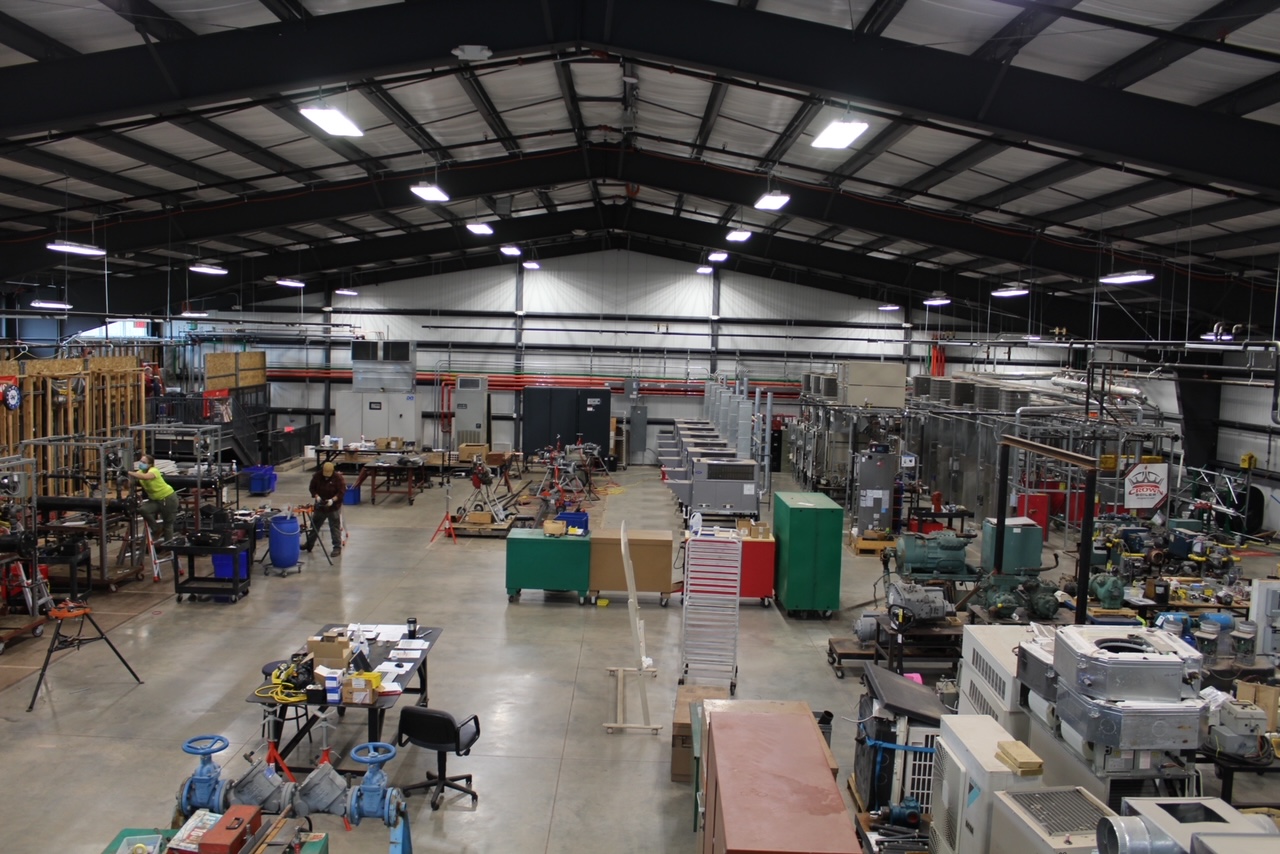
The United Association is also leading the way in training our apprentices in the technologies that are part of our carbon reducing initiatives. Heat Pumps are going to play a large part of our future energy policy when it comes to carbon reduction. Our instructors are teaching all of this and more; Heat Pump Water Heaters, Geo Thermal Heating, and the latest in HVAC Building Management technologies.
So during National Apprenticeship Week, the Plumbing, Pipefitting, HVAC, and Sprinklerfitting locals across New England are well positioned for the jobs of the future. This also comes at no cost, no college debt, in fact it may include a free college education on top of this. The point is we are always looking for good people that want to work hard and be part of an organization that trains its members for the future. We are the ONLY organization that is training for the future.
If you think this may be for you reach out to one of the locals or at www.nepipetrades.org

Local 550, Weymouth, MA 
Local 104, Holyoke, MA 
Local 12, Boston, MA


 Pipes and Wrenches